An abdominal ultrasound is one of the most common medical examinations: quick, painless and highly informative — provided you prepare for it properly. That “provided” matters: a full stomach or gas-filled intestines can spoil the picture so badly that the scan has to be redone.
At the RUTA center, every guest has an abdominal ultrasound — it is included in the price of the five-day cleansing course and is performed before the course begins. So we hear the question “how do I prepare?” every day. This article is a practical guide: how long to fast, what you can drink, why chewing gum is off limits, how the scan goes, and what the doctor can — and cannot — see on it.
What an abdominal ultrasound shows
During the examination, the doctor systematically checks the organs of the upper abdomen:
- the liver — size, contours, tissue structure, the state of the intrahepatic bile ducts;
- the gallbladder and bile ducts — shape, walls, contents: whether there is bile stasis, sludge or stones;
- the pancreas — size and structure;
- the spleen;
- when needed — the kidneys and upper urinary tract.
Ultrasound is good at revealing signs of bile stasis, biliary sludge and gallstones, changes in the structure of the liver and pancreas, and free fluid in the abdominal cavity. For the biliary system it is the primary first-line examination — we covered how bile stasis gradually turns into stones in our article on early-stage gallstone disease.
One important caveat: what appears on the screen are signs, not a ready diagnosis. The images are interpreted by a doctor, who reads them together with the rest of the picture — symptoms, examination, lab tests. No diagnosis is ever made from a single scan.
What an ultrasound does not show
Honesty matters more than marketing here, so let’s be direct:
- the stomach and intestines are poorly visible on ultrasound — they are hollow organs filled with air, and gas is opaque to ultrasound. The scan cannot assess the stomach lining or find a problem inside the intestines — other examinations exist for that;
- small changes may go unseen, especially with poor preparation or significant excess weight;
- an ultrasound does not replace lab tests: it shows the structure of the organs, not how they function. That is why guests at RUTA also have a complete blood count, blood biochemistry, a urine test and an ECG before the course.
An ultrasound is the first step of an examination — not a verdict and not the full picture. If the doctor sees something, they will tell you what to do next.
How to prepare: a step-by-step guide
The goal of preparation is simple: as little gas in the intestines as possible, and a full gallbladder. Then the doctor will see everything they need to see.
2–3 days before the scan
Limit foods that cause gas:
- legumes (peas, beans, lentils);
- cabbage, radish, large amounts of raw vegetables;
- rye bread and pastries;
- whole milk;
- carbonated drinks;
- large amounts of sweets.
The evening before
A light dinner no later than 8–12 hours before the scan. The most convenient option is a morning appointment: dinner at 7–8 p.m., then arrive fasting.
On the day of the scan
- do not eat — the examination is done on an empty stomach;
- water is allowed — plain, still, in small amounts; coffee, sweetened tea, juices and fizzy drinks are not;
- no chewing gum or sweets — chewing triggers digestive secretions and makes the gallbladder contract, after which it cannot be assessed;
- no smoking for at least a few hours before the scan — for the same reason;
- do not stop regular medication on your own — tell the doctor about it; if you have diabetes and prolonged fasting is undesirable, mention it when booking and the doctor will find a suitable time.
What to wear and what to bring
Comfortable two-piece clothing, so the abdomen can be easily uncovered from the ribs down. If you have results of previous ultrasounds, bring them: it helps the doctor to see changes over time.
How the examination goes
It is quick and simple:
- You lie on your back on a couch and uncover your abdomen.
- The doctor applies a special gel to the skin — it removes the air gap between the probe and the body.
- The probe moves over the abdomen; occasionally the doctor will ask you to breathe in, hold your breath or turn onto your side.
The scan usually takes 15–20 minutes. It does not hurt — you feel only the light pressure of the probe. Ultrasound is not ionizing radiation, so the examination is safe and can be repeated without restrictions.
Why the ultrasound comes before the cleansing course
At the RUTA center, the abdominal ultrasound is not an optional extra — it is a mandatory part of the program. Before the five-day course begins, every guest is examined: ultrasound, ECG, complete blood count, blood biochemistry and a urine test. All of it is already included in the price of the stay.
There are two reasons, and both are fundamental.
First — safety. The cleansing course is not for everyone. The absolute contraindications are acute surgical and infectious diseases, progressive cancer, and chronic diseases with a high degree of activity or in the stage of decompensation. Relative contraindications are strictly individual, and the doctor determines them for each specific case. That is impossible without an examination, which is why the course simply does not start without the ultrasound and lab tests.
Second — a starting point. The first stage of the course works with exactly the organs the ultrasound examines: the liver, gallbladder, intestines and kidneys. The doctor needs to see the initial state — whether there is bile stasis, sludge, stones or liver changes — to understand what they are working with and to guide the guest through all five days of inpatient care. How the course is built is described on the method and course pages, and we covered the therapeutic nutrition in detail in our article on diet therapy during the course.
RUTA does not offer ultrasound as a standalone service — it is not a laboratory or a diagnostic office. The examination makes sense as part of the complete five-day program, where the doctor acts on the results right away.
A quick checklist
- No food for 8–12 hours before the scan; a morning scan on an empty stomach is best.
- For 2–3 days beforehand: no legumes, cabbage, rye bread, milk or fizzy drinks.
- Still water is fine; coffee and juices are not.
- No gum, sweets or cigarettes that morning — they make the gallbladder contract.
- Wear comfortable two-piece clothing; bring previous ultrasound results.
- Takes 15–20 minutes, painless, safe.
How to get examined at the RUTA center
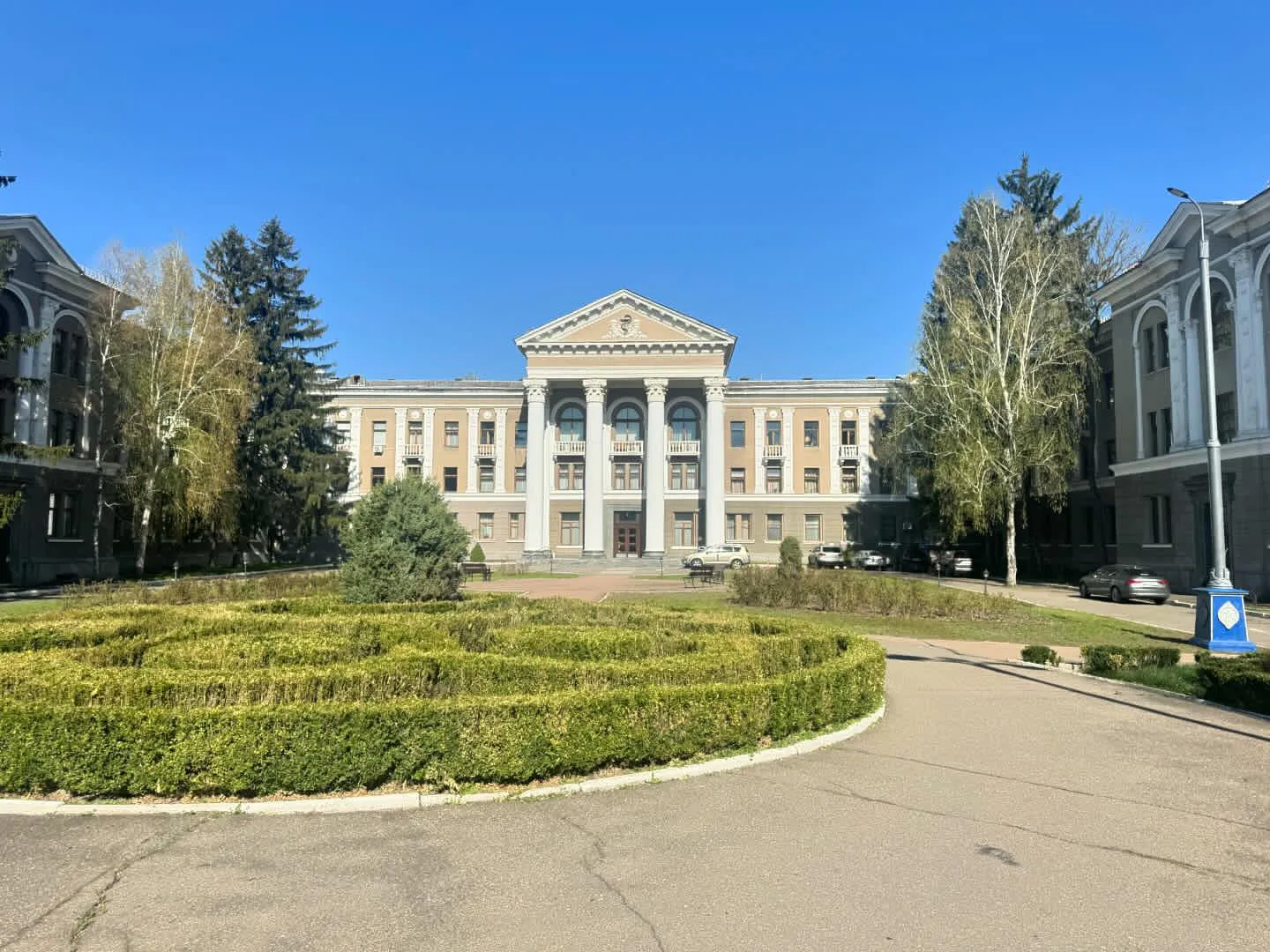
The abdominal ultrasound, ECG and lab tests are already included in the price of the five-day cleansing course — current prices are on the course prices page. The center operates at the Koncha-Zaspa sanatorium in Kyiv.
Leave a request on the contacts page — the manager will suggest arrival dates and remind you of the preparation rules, while the indications and contraindications for the course are determined by the doctor based on your ultrasound and test results.
Get rid of the excess — but first, see what exactly is excess.
This material is for information only and does not replace a consultation with a doctor. Ultrasound results are interpreted by a doctor together with all other examination data.
This article is for information only and does not replace a consultation with a doctor.